What to Do Immediately After Roof Storm Damage
After storm damage to your roof, local contractors can assess, repair, and help prevent further damage to restore your home’s safety and integrity.
Experiencing storm damage to a roof can be an overwhelming situation for property owners. Knowing what steps to take immediately after roof storm damage can help protect the structure and prevent further issues. This is especially important for those living in areas prone to severe weather, where quick action can make a significant difference in minimizing damage and safeguarding belongings. This page offers practical guidance on how to respond promptly and effectively, ensuring you’re prepared to handle the situation while connecting you with local contractors who specialize in storm damage roof repair.
Understanding the immediate actions to take can also help streamline the repair process when professional help is needed. Local service providers have the experience to assess storm-related damage accurately and implement repairs that restore the roof’s integrity. By staying informed about what to do right after storm damage occurs, property owners can make smarter decisions and ensure their roofs are properly repaired by trusted local experts. Keep reading to learn more about how to respond effectively and find the right professionals to handle storm damage repairs.
- Emergency roof tarping - when a storm causes significant roof damage, local contractors can quickly install tarps to prevent further water intrusion.
- Debris removal and roof debris cleanup - after a storm, local service providers can clear fallen branches and other debris to assess the roof’s condition safely.
- Shingle or roof panel repair - if storm winds or hail damage shingles, local pros can perform immediate repairs to restore roof integrity.
- Leak assessment and temporary sealing - when leaks are present, local contractors can evaluate the damage and apply temporary fixes to minimize interior water issues.
- Insurance claim assistance - after storm damage, local service providers can help evaluate damage and provide documentation to support insurance claims.
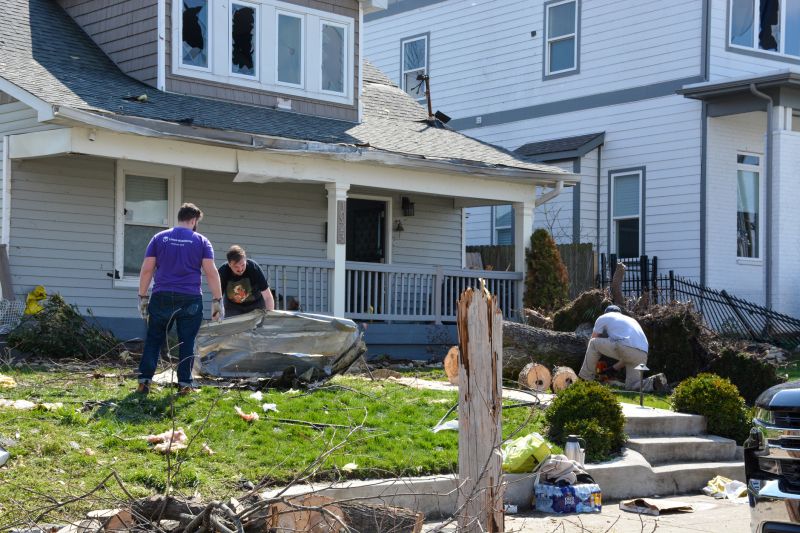
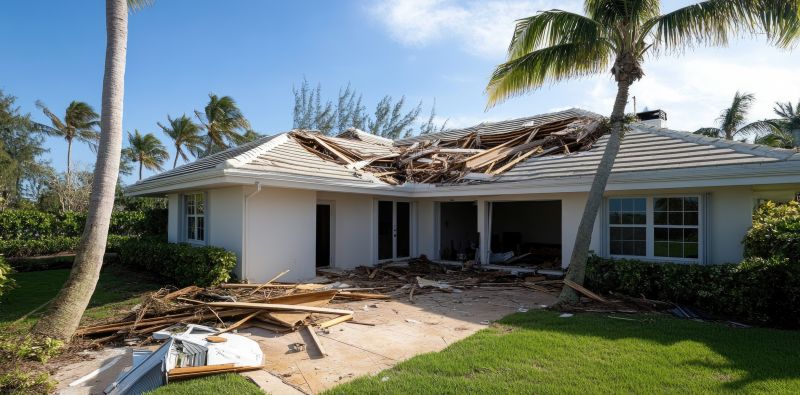
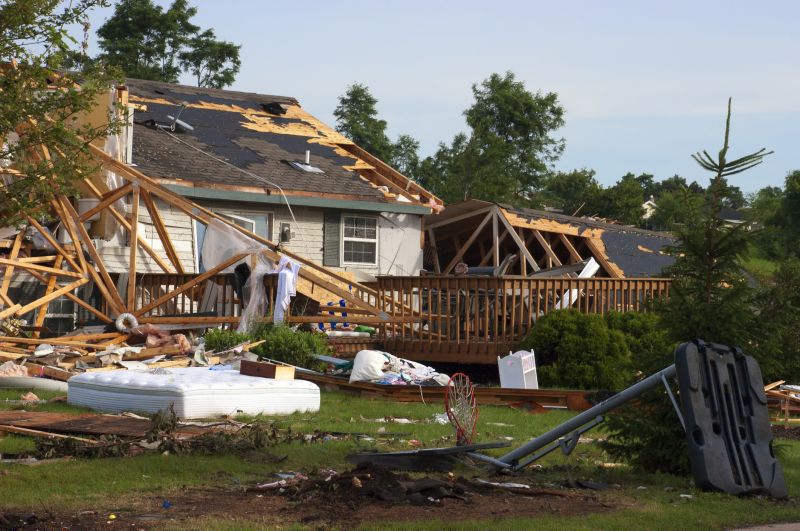
When homeowners search for what to do immediately after roof storm damage, they are typically seeking guidance on the initial steps to take following severe weather events that impact their property. Storms can cause various types of damage, including missing shingles, cracked or dented roofing materials, and even structural issues with the roof deck. The primary concern is often preventing further damage to the interior of the home, such as leaks or water intrusion, while also ensuring safety. This search reflects a need for practical, actionable advice that helps homeowners assess the situation quickly and effectively, setting the stage for professional repairs.
This topic is closely related to problems that arise from unexpected storm impacts, including water leaks, roof instability, and the potential for further deterioration if damage is not addressed promptly. Many property owners are also considering their repair or replacement plans, especially if the damage appears severe. The focus is on understanding what immediate actions can be taken to mitigate risks-such as temporary tarping or securing loose debris-and recognizing when professional intervention becomes necessary. Homeowners often seek guidance that helps them prioritize safety and protect their investment until qualified service providers can handle the more complex repairs.
The types of properties most commonly associated with storm damage are residential homes, especially single-family houses, but also include multi-family buildings and small commercial structures. These properties typically have pitched roofs made of asphalt shingles, wood, or other common materials susceptible to storm-related impacts. Urban and suburban neighborhoods are often affected, but rural properties with less immediate access to repair services may face additional challenges. Understanding the property type helps homeowners determine the scope of potential damage and the appropriate steps to take immediately after the storm, while also recognizing that local contractors experienced in storm damage repairs are available to assist with both emergency measures and long-term solutions.
In the aftermath of storm damage, connecting with local service providers is essential for effective recovery. These contractors specialize in storm damage roof repair and can evaluate the extent of the damage, perform emergency tarping if needed, and conduct comprehensive repairs. They are familiar with local weather patterns and building codes, making them well-equipped to handle the unique challenges posed by storm-related damage. Homeowners should focus on initial safety measures-such as avoiding hazardous areas and covering damaged sections-while knowing that professional roof repair services are ready to step in. This approach ensures that immediate concerns are addressed and that the property is prepared for thorough restoration by trusted local contractors.
Roof Inspection Services - Professionals who perform thorough roof inspections can assess storm damage and identify immediate repair needs to prevent further issues.
Gutter and Drainage Repair - Local contractors experienced in gutter repairs can help manage debris and water flow disruptions caused by storm damage.
Emergency Tarping Services - Service providers offering temporary tarp installation can protect damaged roofs from additional weather-related harm.
Roof Leak Repair - Local pros skilled in leak detection and repair can address early signs of water intrusion following storm damage.
Debris Removal Services - Experts in debris cleanup can safely clear fallen branches and storm debris from roofs and surrounding areas.
Structural Damage Assessment - Contractors specializing in structural evaluations can determine if storm damage has compromised the roof’s integrity and recommend repairs.
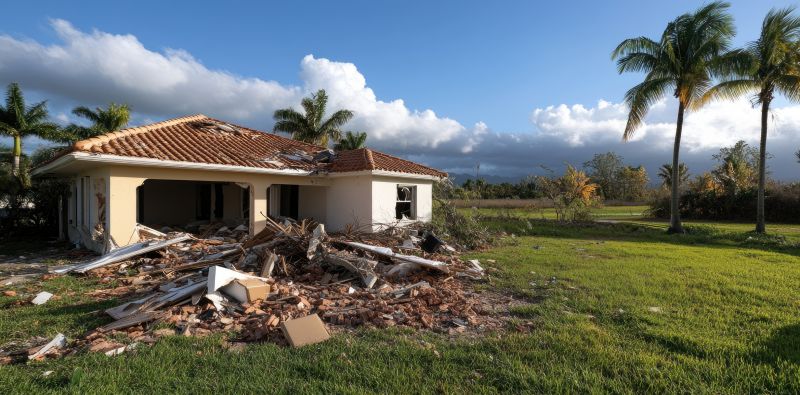
When evaluating storm damage roof repair services, it’s important to consider the experience that local contractors have with similar projects. Homeowners should seek out service providers who have a proven track record of handling storm-related roof repairs, as this experience often translates into a better understanding of common issues and effective solutions. An experienced contractor can assess the extent of storm damage more accurately, identify hidden problems, and recommend appropriate repairs to restore the roof’s integrity. This knowledge can help ensure that the work is completed efficiently and to a standard that addresses both immediate concerns and long-term durability.
Clear written expectations are crucial when choosing a local service provider for storm damage repairs. Homeowners should request detailed descriptions of the scope of work, materials to be used, and the estimated process timeline. Having these details in writing helps prevent misunderstandings and provides a reference point throughout the project. It also allows homeowners to compare different service providers more effectively, ensuring that everyone is on the same page about what will be done and when. Transparent communication about expectations can contribute to a smoother repair process and greater confidence in the contractor’s professionalism.
Reputable references and good communication are key factors to consider when selecting a storm damage roof repair service. Homeowners should ask for references or reviews from previous clients who experienced similar storm-related repairs. This feedback can provide insights into the quality of work, reliability, and how well the contractor communicates throughout the project. Good communication involves timely updates, clear explanations of repair options, and responsiveness to questions or concerns. Choosing a service provider with a strong reputation and open lines of communication can help ensure that the repair process is straightforward and that any issues are addressed promptly.
Property owners often search for what to do immediately after roof storm damage when they are planning practical projects around their homes and businesses. Local pros provide Storm Damage Roof Repair services for everyday jobs and straightforward project options.
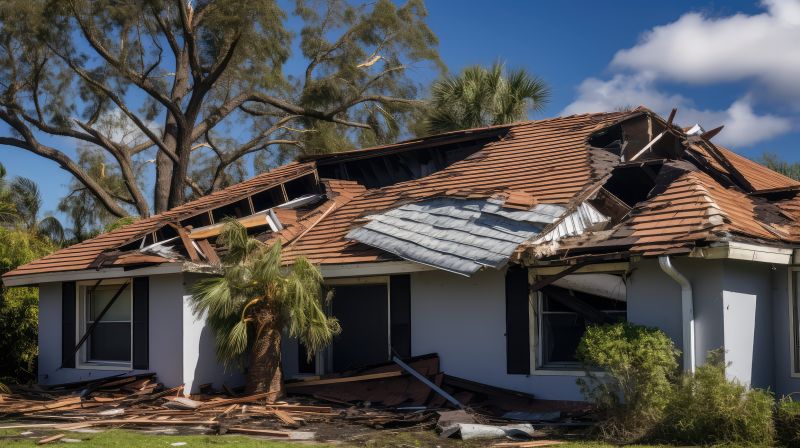
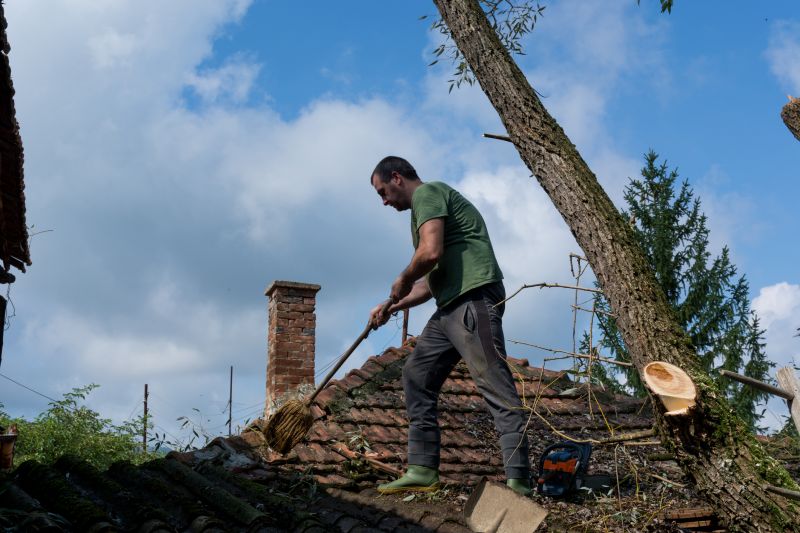
After a storm causes damage to a roof, property owners often look for immediate steps to protect their home and prevent further issues. Common actions include inspecting the roof from the ground for visible damage, such as missing shingles or fallen debris, and removing any loose branches or debris from around the property. These simple precautions can help minimize additional damage, but it's important to remember that climbing onto a storm-damaged roof can be risky. Local contractors experienced in storm damage repair can provide guidance on safe next steps and may offer services to assess and repair the roof promptly.
Once initial safety measures are taken, property owners typically seek professional assistance to evaluate the extent of the damage and begin necessary repairs. Local service providers specializing in storm damage roof repair can quickly inspect the roof, identify compromised areas, and recommend appropriate solutions. Connecting with these local contractors ensures that the damage is addressed efficiently, helping to restore the roof's integrity and protect the home from further weather-related issues. This approach allows property owners to manage storm damage effectively while relying on experienced professionals to handle the repair process.
What should I do immediately after roof storm damage? It's important to inspect your roof safely from the ground and document any visible damage. Contact local contractors who can assess the situation and recommend repairs or further inspections.
Is it safe to go on my roof after a storm? Climbing onto a storm-damaged roof can be dangerous; it’s best to avoid doing so. Instead, rely on local service providers who have the expertise and equipment to evaluate and repair storm damage safely.
Should I try to cover damaged areas myself? Attempting temporary fixes can be risky and may cause further damage. Professional roof repair service providers can securely cover or tarp damaged sections to prevent additional issues.
What steps can I take to prevent further damage? Removing loose debris and ensuring damaged areas are temporarily protected can help. Local contractors can perform necessary emergency repairs to minimize additional harm.
When is the right time to schedule repairs? Once storm damage is identified, contacting local roof repair specialists promptly ensures that necessary repairs are planned and completed effectively.
Assess immediate damage - inspecting your roof for visible signs of damage helps prioritize repairs and determine if professional storm damage roof repair services are needed.
Secure loose or hanging materials - removing or securing debris and loose shingles can prevent further damage until local contractors can perform repairs.
Protect your interior - covering exposed areas with tarps or plastic sheeting helps prevent water intrusion and additional interior damage.
Document the damage - taking notes of affected areas and conditions supports the process of working with local service providers for repairs.
If you are thinking about what to do immediately after roof storm damage for a property, this guide is meant to help you understand this topic, the typical project types, and how different options might fit your plans.
When you are ready, you can use the quote form on this page to share a few details about your project. From there, local pros can review the basics and follow up with options that match what you have in mind.