Common Types of Storm Damage That Require Roof Repair
People searching for storm damage roof repair are typically looking to fix issues caused by common storm-related damage, and local contractors can help restore and protect their roofs effectively.
If your property has recently faced a storm, understanding the common types of storm damage that require roof repair can help you identify potential issues early. Severe weather events like heavy winds, hail, and intense rain can cause various forms of damage to roofing systems, which may not always be immediately visible but can lead to significant problems if left unaddressed. Property owners in the area might explore this topic to better recognize signs of damage and ensure their roofs remain secure and functional, especially after severe storms. Local contractors specializing in storm damage roof repair are equipped to assess and address these issues, helping to protect your investment and maintain the safety of your home.
Knowing what to look for can make a difference in preventing further damage and costly repairs down the line. Common types of storm damage include missing or loosened shingles, dented or cracked roofing material from hail, and water infiltration caused by compromised flashing or broken seals. These issues often require professional attention to restore the roof’s integrity and prevent leaks or structural problems. Service providers in the area are experienced in handling such damage, offering tailored solutions to restore your roof’s condition and ensure it withstands future storms. Keep reading to learn more about the specific types of storm damage that may impact your property and how local experts can help address them effectively.
- Wind damage - when strong winds loosen or lift shingles, local contractors can assess and repair the affected roof areas.
- Hail damage - hail can create dents or cracks in roofing materials, prompting service providers to perform necessary repairs to prevent leaks.
- Heavy rain infiltration - persistent or intense rainfall may reveal leaks or water intrusion that local pros can address through targeted roof repairs.
- Fallen debris impact - fallen branches or debris from storms can cause physical damage, with local contractors restoring the roof’s integrity.
- Ice dam formation - ice buildup can lead to damage or leaks, and service providers can implement repairs to mitigate further issues.
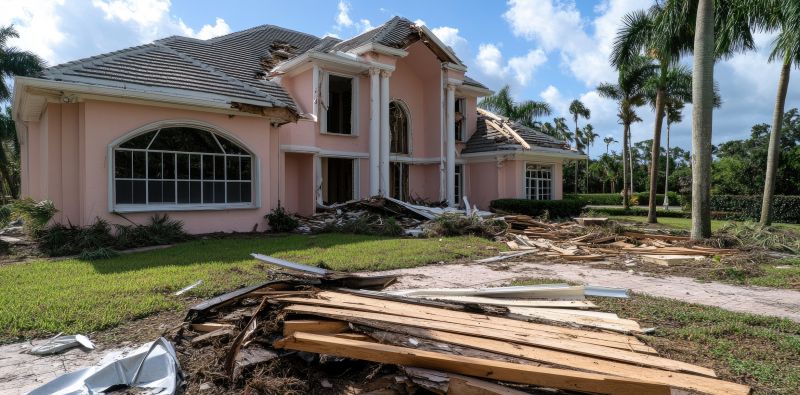
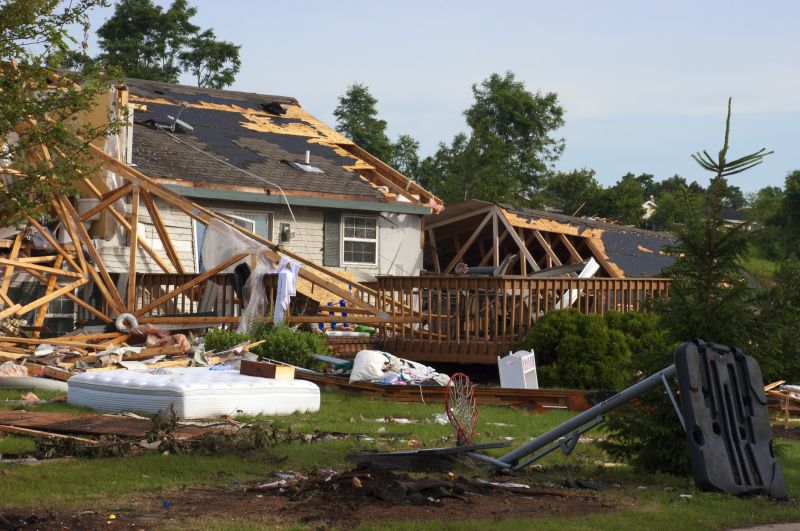
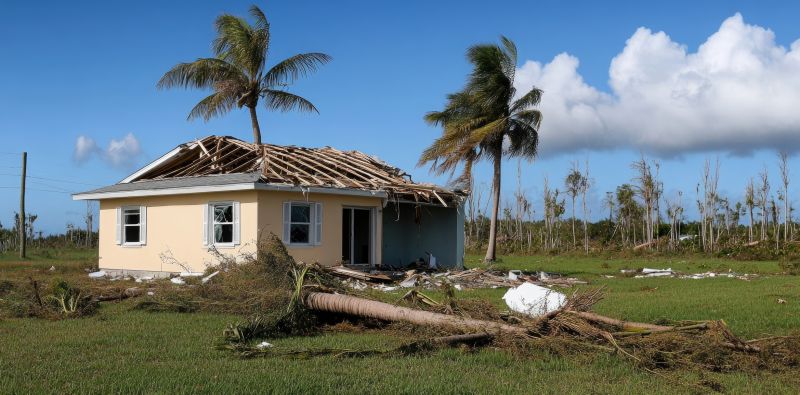
Understanding common types of storm damage that require roof repair is essential for homeowners who want to protect their properties and ensure safety after severe weather events. When storms pass through an area, they can cause various forms of damage to roofing systems, often leading to the need for professional repairs. People searching this topic are typically concerned about the specific issues that can arise, how to identify damage, and when to seek help from experienced contractors. This information helps homeowners plan for repairs, prevent further deterioration, and maintain the integrity of their roofs in the face of unpredictable weather.
One of the most frequent types of storm damage involves wind-related issues, such as missing or loosened shingles, tiles, or metal panels. High winds can lift or dislodge roofing materials, creating vulnerable spots that expose the underlying structure to water infiltration. Heavy rain often accompanies wind storms, so any gaps or cracks caused by wind damage can quickly lead to leaks and water damage inside the home. Additionally, hailstorms are notorious for causing significant damage to roofs, with hailstones striking the surface with enough force to dent, crack, or shatter roofing materials. Homeowners should be aware of these signs and seek professional assessment if they notice missing shingles, dents, or granule loss, which can compromise the roof’s protective function.
Another common storm-related problem is water infiltration resulting from damaged flashing and seals around vents, chimneys, or skylights. Severe storms can weaken or dislodge these critical components, allowing water to seep into the attic or interior spaces. Over time, this can lead to mold growth, wood rot, and structural issues if not addressed promptly. Storms that produce heavy snowfall or ice can also cause damage through the weight and expansion of ice dams, which may lift shingles or cause cracks in the roofing material. These issues often require the expertise of local contractors who can evaluate the damage, replace or repair affected sections, and restore the roof’s ability to withstand future storms.
The types of properties most frequently affected by storm damage are residential homes, especially those with older or less durable roofing materials. Single-family houses, multi-family complexes, and even some commercial buildings can experience damage, depending on the storm’s intensity and the roof’s condition beforehand. Flat roofs, common on commercial properties, are particularly vulnerable to pooling water and wind uplift, making repairs essential after storms. For homeowners, understanding the common types of storm damage that require roof repair helps in recognizing warning signs early and connecting with local service providers who specialize in restoring roofs to their original strength. These professionals can evaluate the damage, recommend appropriate repairs, and help ensure the property remains protected from future weather events.
Gutter and fascia repair - these projects often involve assessing and fixing damage caused by storm debris, similar to identifying storm-related roof issues and planning repairs.
Roof inspection services - detailed inspections to evaluate storm damage are essential before repairs, making these services closely related to storm damage roof repair efforts.
Storm damage restoration - restoring exteriors affected by storms shares skills in assessing damage and implementing repairs to protect the structure.
Shingle replacement - replacing damaged or missing shingles due to storms requires similar planning and skill as repairing storm-related roof damage.
Water damage remediation - addressing water intrusion from storm events involves identifying entry points and working with roof and exterior repairs.
Emergency roof tarp services - temporary protection from storm damage is a crucial step before permanent repairs, involving similar safety and planning considerations.
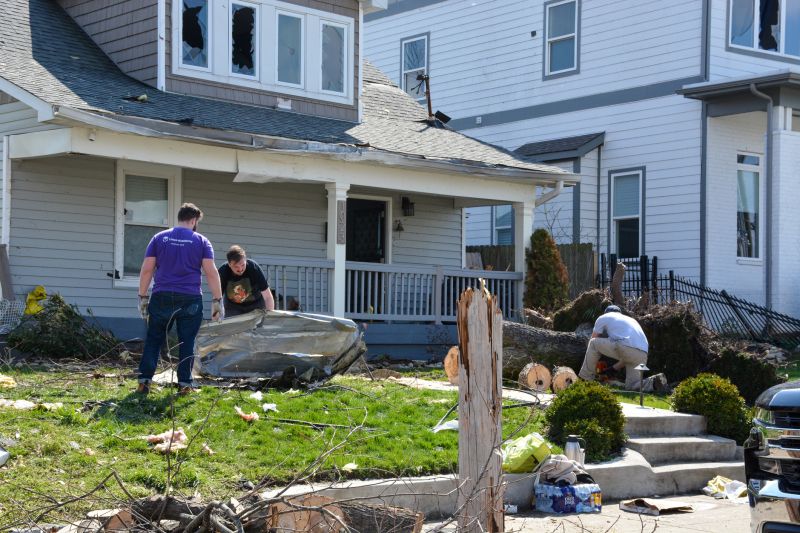
When evaluating storm damage roof repair services, it is important to consider the experience of local contractors with similar projects. An experienced service provider will have a history of handling various types of storm damage, such as hail impacts, wind uplift, or fallen debris, which can help ensure they understand the specific challenges associated with each. Homeowners should inquire about the types of storm damage the pros have addressed in the past to gauge their familiarity and competence in restoring roofs affected by severe weather events.
Clear and detailed written expectations are essential when comparing local service providers. A reputable contractor should be able to outline the scope of work, materials to be used, and the repair process in straightforward language. This transparency helps homeowners understand what to expect and ensures there are no surprises during the project. Well-documented expectations also serve as a foundation for assessing the professionalism of the contractor and their ability to communicate effectively throughout the repair process.
Reputable references and strong communication are key factors in selecting a reliable storm damage roof repair service. Homeowners are encouraged to ask for references from previous clients who experienced similar storm-related issues. This feedback can provide insight into the contractor’s reliability, quality of work, and ability to meet deadlines. Additionally, good communication-such as timely responses to questions and clarity about procedures-indicates a service provider’s commitment to keeping homeowners informed and involved. These qualities contribute to a smoother repair experience and help ensure the work is completed to satisfaction.
Property owners often search for common types of storm damage that require roof repair when they are planning practical projects around their homes and businesses. Local pros provide Storm Damage Roof Repair services for everyday jobs and straightforward project options.
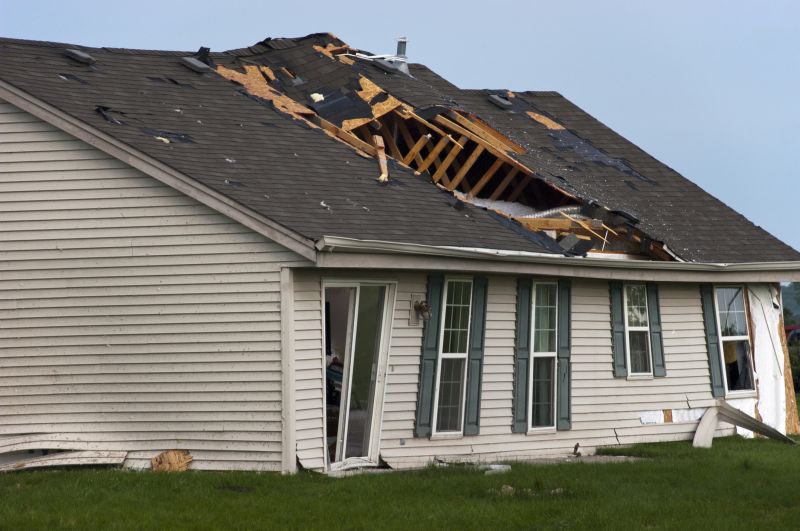
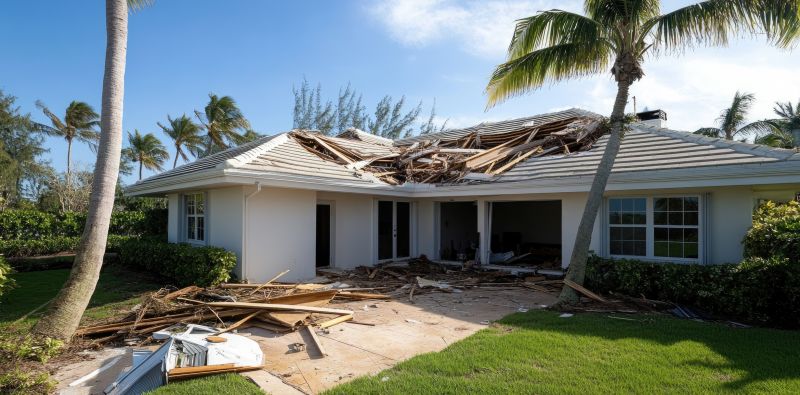
Storms can cause a variety of damage to residential roofs, prompting property owners to seek professional repair services. Common types of storm damage that require roof repair include missing or loose shingles, which often occur after high winds or hail strikes. These damaged shingles can leave the underlying roof vulnerable to leaks and further deterioration. Additionally, hail can cause dents or cracks in roofing materials, compromising the roof’s integrity and increasing the risk of leaks or water intrusion. Property owners noticing signs of storm-related damage are encouraged to connect with local contractors who specialize in storm damage roof repair to assess and address these issues promptly.
Heavy rain and wind can also lead to more severe problems such as roof leaks, caused by compromised flashing or damaged roofing materials. In some cases, strong winds may lift or tear off sections of the roof entirely, exposing the structure beneath. Debris carried by storms can also cause punctures or other physical damage to the roof surface. When these issues occur, experienced service providers in the area are available to evaluate the damage and perform necessary repairs to restore the roof’s strength and protect the property from future weather events.
What are common types of storm damage that require roof repair? Common types of storm damage that require roof repair include missing or broken shingles, hail impact marks, and damage caused by strong winds or falling debris.
How does hail damage affect roofs during storms? Hail damage can leave dents, cracks, or punctures in roofing materials, which may lead to leaks and further deterioration if not repaired promptly by local contractors.
Can wind damage cause roof issues? Yes, high winds can lift or tear off shingles, create loose flashing, or cause structural damage that necessitates professional roof repairs.
What storm-related damage is caused by falling debris? Falling branches or other debris during storms can puncture or crack roofing materials, leading to leaks and the need for repairs by experienced service providers.
Are there specific signs of storm damage that indicate the need for roof repair? Signs include visible dents, missing shingles, leaks inside the home, or debris on the roof, prompting assessments and repairs by local roof repair specialists.
Hail damage assessment - property owners can learn how to identify hail impacts on their roofs and when to seek professional repair services from local contractors.
Wind damage inspection - understanding signs of wind-related roof issues helps homeowners decide when to have local pros evaluate and repair storm-affected areas.
Debris removal planning - planning for the safe removal of fallen branches and other debris can prevent further damage and prepare the roof for necessary repairs by local service providers.
Leak detection techniques - recognizing early signs of leaks caused by storm damage supports timely intervention by local contractors to prevent interior damage.
If you are thinking about common types of storm damage that require roof repair for a property, this guide is meant to help you understand this topic, the typical project types, and how different options might fit your plans.
When you are ready, you can use the quote form on this page to share a few details about your project. From there, local pros can review the basics and follow up with options that match what you have in mind.