Get Commercial Roof Inspection Service
Commercial roof inspection services help property owners identify leaks, damage, or wear to prevent costly repairs and ensure roof safety and longevity.
Property owners in the area seeking reliable commercial roof inspection services are in the right place. Regular inspections are a practical step for maintaining the integrity of a building’s roof, helping identify issues early before they develop into costly repairs. Whether planning a renovation, ensuring compliance, or simply wanting to extend the lifespan of a roof, understanding the condition of the roofing system is essential for making informed decisions about future projects.
This page connects property owners with experienced local contractors who specialize in commercial roof inspections. Comparing local options can help find the right service provider to meet specific needs and ensure thorough assessments. Keep reading to explore how professional inspections can support your property management goals and safeguard your investment.
- Flat commercial roofs - property owners may need inspections to identify potential leaks or damage before they worsen.
- Metal roofing systems - businesses with metal roofs should schedule regular evaluations to detect corrosion or structural issues.
- Built-up and membrane roofs - facilities with these roofing types require periodic inspections to ensure waterproofing integrity.
- Industrial warehouse roofs - large-scale commercial spaces benefit from professional assessments to maintain safety and performance.
- Retail and office building roofs - property managers might seek inspections to prevent costly repairs and maintain building code compliance.
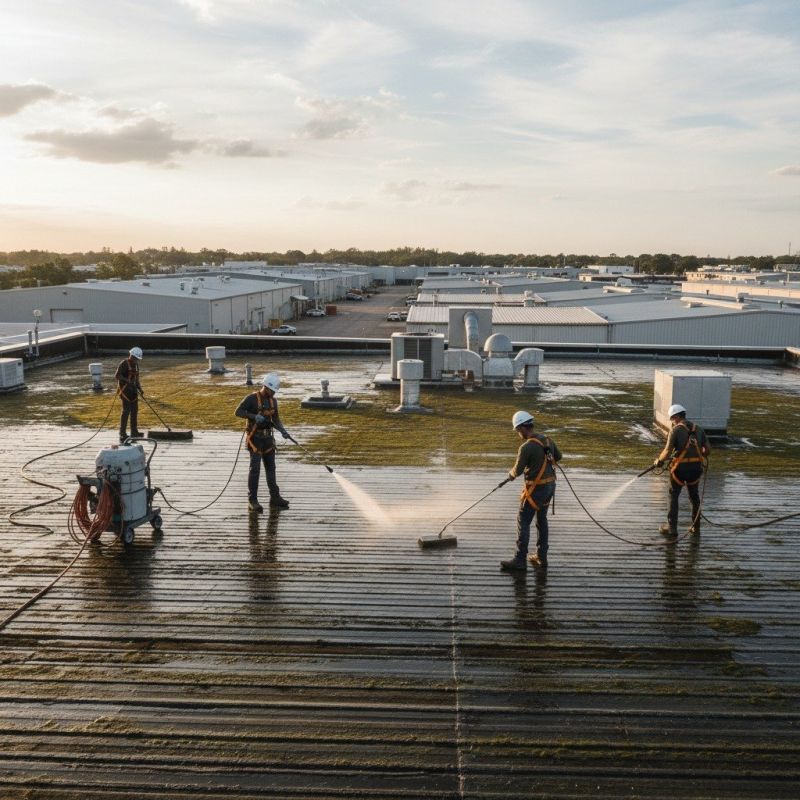
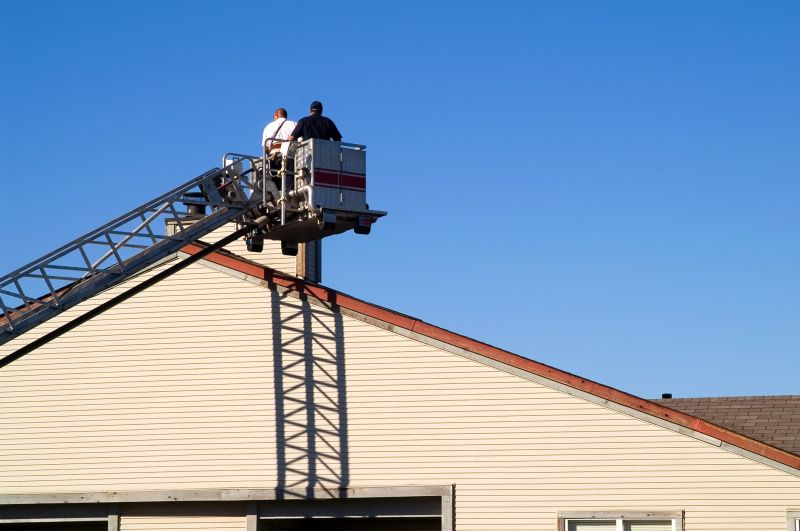
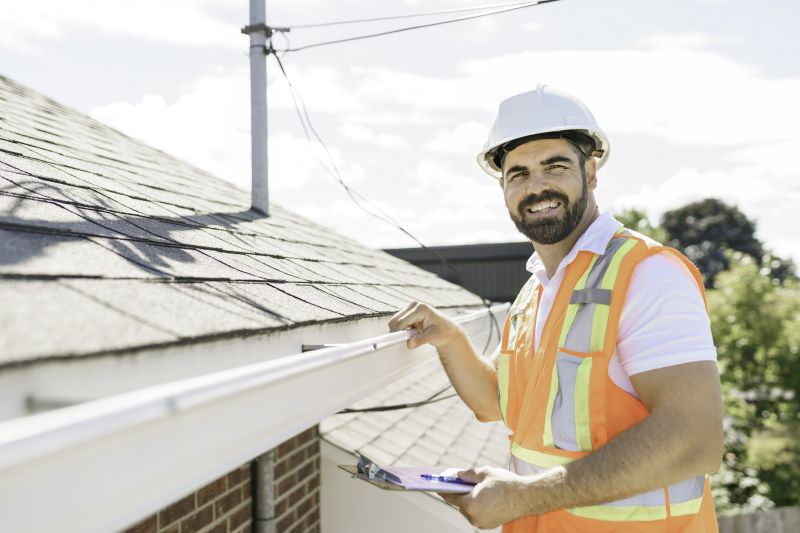
Commercial roof inspection services involve a thorough assessment of a building’s roofing system to identify potential issues before they develop into costly problems. Skilled service providers examine the roof’s surface, structural components, drainage systems, and flashing to detect signs of damage, wear, or deterioration. These inspections typically include checking for leaks, cracks, loose materials, and areas where the roof may be vulnerable to weather-related stress. Regular inspections help property owners maintain the integrity of their roofs and plan necessary repairs or maintenance to extend the lifespan of the roofing system.
One of the primary benefits of commercial roof inspections is their ability to uncover problems that are not immediately visible or obvious. Over time, roofs can develop issues such as ponding water, membrane tears, or compromised flashing that can lead to leaks and water damage inside the building. Identifying these issues early allows property owners to address them proactively, preventing more extensive damage and reducing repair costs. Inspections also help ensure that the roof remains compliant with safety standards and building codes, which is especially important for commercial properties that are used for business operations or housing valuable assets.
These services are commonly used on a variety of property types, including office buildings, retail centers, warehouses, industrial facilities, and multi-family residential complexes. Commercial roofs tend to be larger and more complex than residential ones, often featuring flat or low-slope designs that require specialized knowledge to inspect properly. Business owners and property managers typically seek professional roof inspections to protect their investments, ensure operational continuity, and maintain safety standards. Regular inspections are especially recommended after severe weather events or when planning routine maintenance, helping to keep commercial properties in optimal condition.
Homeowners and property managers alike may consider commercial roof inspection services when they notice signs of trouble or want to prevent future issues. Common indicators for scheduling an inspection include visible leaks, water stains on ceilings, or obvious damage after storms. Even if no issues are apparent, routine inspections can provide peace of mind by confirming that the roof is in good condition or by identifying minor problems before they escalate. Connecting with local service providers ensures access to experienced professionals who understand the specific requirements of various commercial roofing systems and can provide tailored solutions to keep properties protected and well-maintained.
The overview below groups typical Commercial Roof Inspection Service projects into broad ranges so you can see how smaller, mid-sized, and larger jobs often compare in your area.
In many markets, a large share of routine jobs stays in the lower and middle ranges, while only a smaller percentage of projects moves into the highest bands when the work is more complex or site conditions are harder than average.
Smaller Roof Repairs - Most minor repairs, such as fixing leaks or replacing small sections, typically cost between $250 and $600. Many routine inspections identify issues in this range, which are common for standard commercial roofs.
Moderate Maintenance - Mid-sized projects, including extensive patching or minor membrane replacements, generally fall within $600 to $2,000. These projects are often encountered during regular inspections of larger commercial buildings.
Major Repairs or Partial Replacement - Larger repairs, like replacing significant sections of roofing material, can range from $2,000 to $5,000 or more. Fewer projects reach this tier, usually involving complex or older roof systems.
Full Roof Replacement - Complete roof replacements for large commercial properties typically start at $10,000 and can exceed $50,000 depending on size and materials. Many projects fall into the mid-range, with only the most extensive jobs reaching the higher end of the spectrum.
Actual totals will depend on details like access to the work area, the scope of the project, and the materials selected, so use these as general starting points rather than exact figures.
Commercial Building Inspection - Professionals who perform detailed assessments of commercial structures utilize similar skills to evaluate roof conditions and identify potential issues.
Industrial Facility Inspection - Inspectors working on industrial sites often assess large-scale roofing systems, requiring similar planning and safety considerations.
Facade and Cladding Inspection - These projects involve evaluating exterior surfaces, which shares techniques used in roof inspections to detect damage or deterioration.
Waterproofing and Leak Detection - Contractors specializing in waterproofing identify leaks and vulnerabilities, paralleling the diagnostic approach in roof assessments.
Construction Site Safety Inspection - Ensuring safety compliance on construction sites involves planning and inspection skills applicable to roofing projects.
Building Envelope Assessment - This type of inspection evaluates the entire exterior shell of a building, including roofing systems, requiring similar expertise and tools.
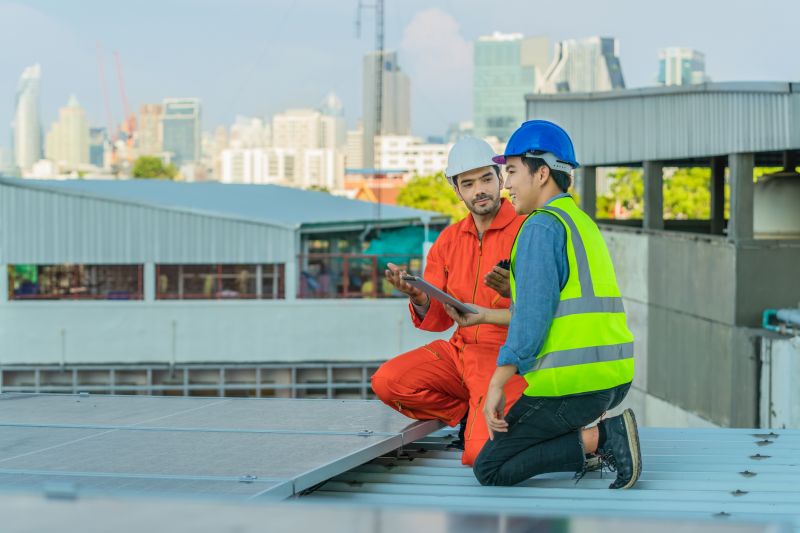
When evaluating service providers for commercial roof inspection services, it’s important to consider their experience with similar projects. A contractor’s background in handling commercial roofing systems comparable to your building can be a strong indicator of their ability to assess your roof accurately and thoroughly. Homeowners should inquire about the types of roofs they have inspected in the past and whether they have encountered situations similar to their own. This helps ensure that the contractor is familiar with the specific challenges and requirements associated with commercial roofing, leading to a more informed and reliable inspection process.
Clear, written expectations are essential when comparing local contractors for roof inspections. Homeowners should seek detailed descriptions of what the inspection will cover, including any specific areas of concern or potential issues that will be evaluated. Having these expectations documented helps prevent misunderstandings and ensures that both parties are aligned on the scope of work. It’s also helpful to ask about the reporting process-whether it includes a comprehensive written report or visual documentation-so that the homeowner understands what information will be provided after the inspection is complete.
Reputable references and effective communication are key factors in selecting a dependable service provider. Homeowners are encouraged to request references from previous clients who had similar projects, as this can provide insight into the contractor’s reliability and quality of work. Additionally, good communication throughout the process-prompt responses, clear explanations, and openness to questions-can make the experience smoother and more transparent. While the site introduces homeowners to local options, it is important to remember that the actual work will be performed by qualified contractors in the area. Comparing these local service providers based on experience, clarity of expectations, and communication can help ensure a successful roofing inspection.
Property owners use Commercial Roof Inspection Service services for practical projects around their homes and businesses. This guide focuses on everyday jobs and straightforward project options.
Commercial roof inspection services are often needed when property owners notice signs of wear and tear, such as leaks, ponding water, or damaged roofing materials. These inspections help identify potential issues early, preventing costly repairs and minimizing downtime for businesses. Local contractors can provide thorough assessments to ensure the roof remains in good condition, especially after severe weather events or as part of routine maintenance.
Business owners and property managers may also seek roof inspections to comply with safety standards or insurance requirements. Regular inspections can reveal underlying problems that might not be immediately visible, such as structural weaknesses or hidden damage. Connecting with experienced local service providers ensures that inspections are carried out efficiently and accurately, supporting the ongoing safety and integrity of commercial properties.
What is involved in a commercial roof inspection? A commercial roof inspection typically includes a visual assessment of the roof’s surface, checking for damage, leaks, and deterioration, as well as evaluating drainage systems and roofing materials.
Why should a business schedule regular roof inspections? Regular inspections help identify potential issues early, preventing costly repairs and ensuring the roof remains in good condition to protect the building.
How do local contractors determine the condition of a commercial roof? They perform a thorough visual examination, sometimes using specialized tools, to assess the roof’s structural integrity, identify damage, and recommend necessary repairs or maintenance.
What types of commercial roofs can be inspected? Commercial roof inspections can be performed on various types, including flat roofs, metal roofs, built-up roofs, and single-ply membrane systems.
How can a business find qualified roof inspection service providers? Businesses can compare local contractors through lead generation services that connect them with experienced professionals in their area.
Identify potential roof issues early - Regular inspections help property owners spot damage or wear that could lead to costly repairs if left unaddressed.
Plan maintenance or repairs efficiently - Knowing the condition of a commercial roof allows for better scheduling of necessary upkeep to prevent unexpected problems.
Ensure compliance with building standards - Routine inspections assist property owners in maintaining their roofs according to local regulations and safety guidelines.
Protect property value and longevity - Keeping a commercial roof in good condition through inspections can help preserve the property's overall value over time.
If you are thinking about Commercial Roof Inspection Service for a property, this guide is meant to help you understand the work, the typical project types, and how different options might fit your plans.
When you are ready, you can use the quote form on this page to share a few details about your project. From there, local pros can review the basics and respond with options that match what you have in mind.